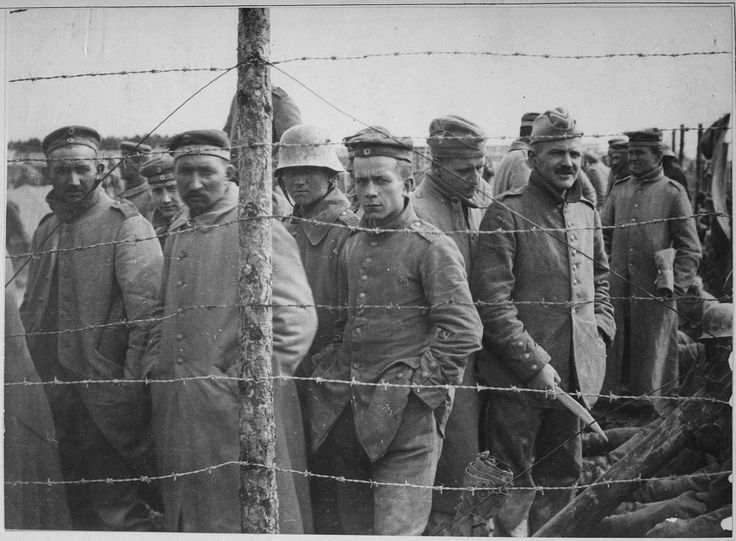


On this day in 1929, representatives from 47 nations gathered in Switzerland to sign the Convention relative to the Treatment of Prisoners of War, often referred to as the 1929 Geneva Convention.
The agreement was seen as a landmark multilateral treaty established the first comprehensive international legal framework specifically designed to safeguard captured military personnel. Driven by the staggering humanitarian crises of World War I, the accord sought to fix gaping holes in previous international frameworks.
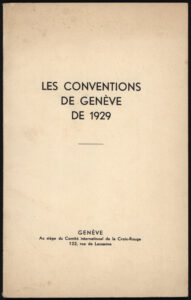
The document composed of 97 articles that established foundational standards for the daily lives of prisoners of war (POWs). It introduced strict mandates regarding safety, healthcare, and basic human dignity. Under Article 5, captured soldiers were only required to state their real name, rank, and serial number.
Critically, the convention explicitly banned the use of physical or mental coercion to obtain military intelligence. It also regulated prisoner labor, explicitly dictating that any work forced upon POWs must have no direct relation to enemy war operations—banning their use in manufacturing or transporting arms.
Furthermore, the treaty laid out explicit standards for living conditions, mandating that prisoner barracks feature proper hygiene, heating, and protection from dampness. It also prohibited collective punishments, reprisals, and public degradation. Crucially, the 1929 treaty officially integrated the International Committee of the Red Cross (ICRC) as a neutral, independent organization tasked with monitoring camp conditions and facilitating communication between prisoners and their home nations.
The true test of the 1929 Geneva Convention came a decade later with the outbreak of World War II. Its real-world application exposed stark limitations based on geopolitics. While nations like Germany generally applied the convention’s rules to Western Allies like British and American POWs, they systematically denied those same protections to Soviet prisoners, arguing that the Soviet Union had not signed the accord.
This selective compliance resulted in catastrophic atrocities across European and Asian theaters, however, and despite these tragic gaps in enforcement, the July 27, 1929 treaty remains a monumental step forward in the evolution of international humanitarian law. It shifted global norms by codifying the principle that captured enemies are still human beings entitled to core rights.
The triumphs and catastrophic failures of the 1929 text directly informed the creation of the universally recognized Third Geneva Convention of 1949, which finally expanded and closed the legal loopholes to protect all captured personnel globally.