

One of the worst aviation disasters in the history of air transport was the accident suffered by a Japan Airlines (JAL) Boeing 747 aircraft on this day in 1985. The plane exploded after crashing into mountains about 100 km from the Japanese capital, Tokyo.
But this worst of air disasters astonished the world with a great miracle, when rescue teams found four survivors in a crash that did not leave a single intact piece of the aircraft, which had 509 passengers and 15 crew members on board.
The captain had sent a distress call reporting a problem with one of the rear doors half an hour after takeoff — something aviation experts initially dismissed as the cause of the crash. Rescue teams had to search tirelessly for the black box to uncover the secret behind the catastrophe.

Amid the scattered wreckage — reduced to burning fragments and the remains of victims — the four survivors emerged: a mother and her daughter, a young girl, and a flight attendant. They were immediately airlifted by helicopter to a Tokyo hospital. The survivors had been seated in the rear of the aircraft, which had been modified by the Japanese to carry more passengers than originally designed.
After listening to the black box recordings of the captain’s repeated distress calls during the final minutes, investigators concluded that the tail of the aircraft had suffered damage due to a faulty repair, a finding rejected by Boeing experts, who attributed the cause to a weather phenomenon or an object striking the tail.
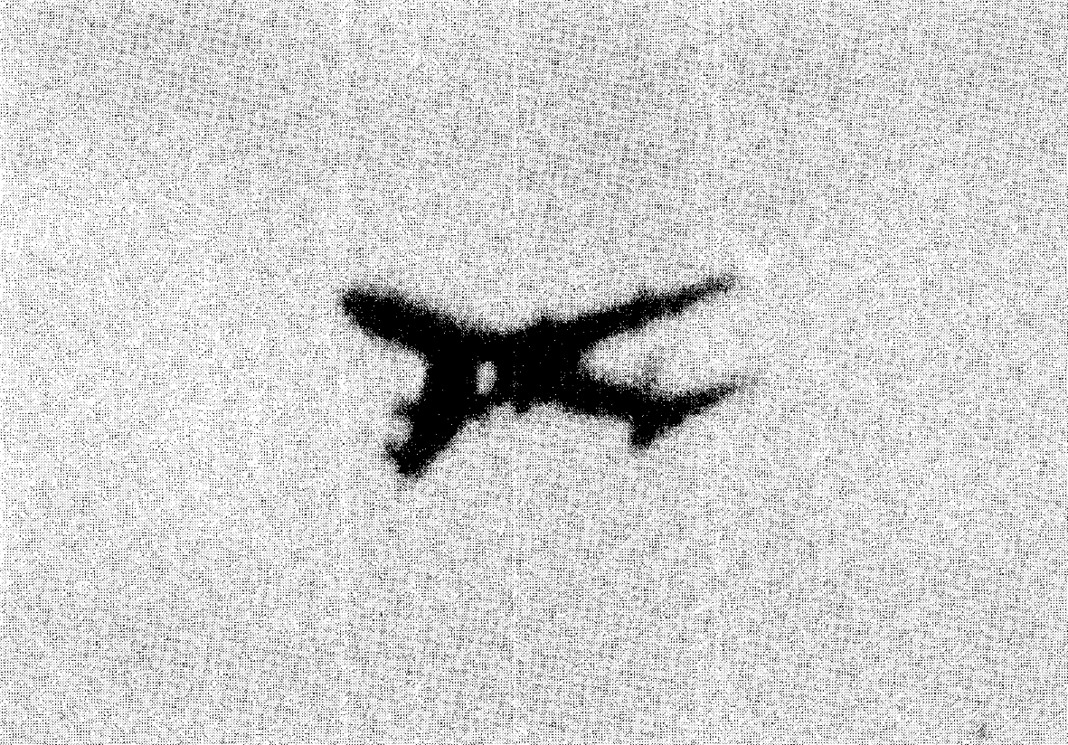
The ill‑fated 747 was photographed over the town of Okutama, west of Tokyo, approximately six minutes before the crash; the image showed that its vertical stabilizer was largely missing.
The young girl, Kawakami, aged 12, who miraculously survived the crash, said that rescue teams reached her after 17 hours during which she spoke with her father and sister — both of whom later died. Kawakami fled the hospital in shock, despite her fractures, wounds, medical braces, and the terrifying images that would never leave her memory.